The Odonata Dragonfly: Nature's Design for Your Creative Projects
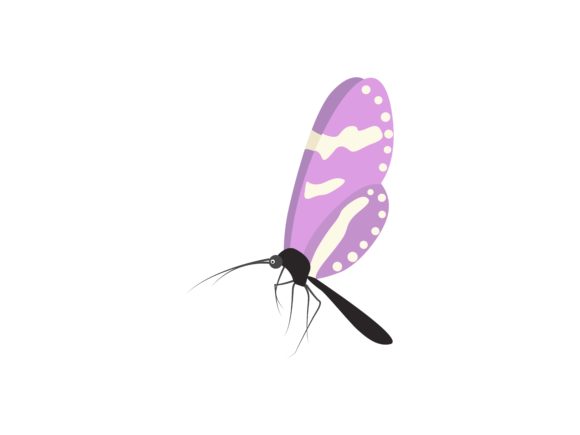
There’s a certain energy to a dragonfly. It’s not just the iridescent flash of its wings or its precise, hovering flight. It’s the feeling it evokes—a blend of ancient elegance and modern agility. This is the core of the Odonata Dragonfly Animal illustration. It’s not merely a drawing of an insect; it’s a captured moment of natural artistry, distilled into a versatile design asset ready for your next project.
Visual Character and Instant Appeal
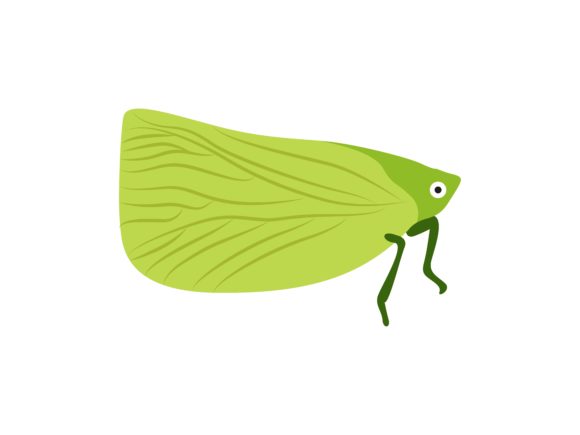
The Odonata Dragonfly Animal illustration embodies a specific style. Its lines are clean and confident, balancing detail with simplicity. The wings might feature subtle veining patterns that suggest structure without becoming cluttered, while the body is rendered with a sense of segmented form and texture. The overall aesthetic leans into a modern, slightly stylized naturalism. It feels both scientifically informed and artistically liberated, making it a creative font of sorts for visual storytelling—except it’s a creature, not a typeface. Its personality is one of quiet sophistication, precision, and a touch of the wild. This isn’t a cartoonish mascot; it’s an emblem that can carry weight and meaning for a brand identity.
Where This Illustration Truly Shines
Think of the Odonata dragonfly as a versatile actor, capable of taking on different roles depending on the stage. Its adaptability is its greatest strength.
- Branding & Logo Design: For businesses in wellness, environmental consulting, tech startups, or artisanal crafts, the dragonfly symbolizes adaptability, transformation, and clarity. It can form the basis of a memorable logo design or serve as a subtle brand mark.
- Packaging & Apparel: On product labels for organic goods, or as a standout element on a T-Shirt, the illustration adds an organic, premium feel. Its form works beautifully for sticker sheets, apparel tags, or as a repeating pattern for textile design.
- Digital & Print Media: As an icon in a navigation menu, a hero image for a blog header, or an elegant element in an invitation card, the dragonfly elevates the design. It brings a piece of the natural world into digital spaces, creating a point of visual interest and calm.
- Education & DIY: The provided files make it perfect for educational materials, science posters, or personal craft projects. Imagine it on a scrapbook page, a custom notebook cover, or as a detailed element in a DIY printing project for a school presentation on ecosystems.
Making It Work: Practical Guidance for Designers
Integrating a powerful visual element like the Odonata Dragonfly Animal requires a thoughtful approach, much like selecting a premium font for a layout. Here’s how to ensure it enhances rather than overwhelms.
Evaluating Fit and Style
First, assess your project's core message. Does it align with the dragonfly's symbolic meanings—resilience, change, perspective? A luxury spa brand might use it to signify tranquility, while a software company could leverage it to imply speed and precision. Its style is adaptable, but it naturally complements modern typography. Pair it with a clean sans serif font for a contemporary, tech-forward feel, or with an elegant serif font for a more traditional, authoritative look. The key is to ensure the illustration's level of detail doesn't clash with the complexity of your chosen typeface.
Technical Execution and File Mastery
The real-world value lies in the provided formats. The AI and EPS 10 files are your workhorses for scalability. Use them in Adobe Illustrator or compatible software to resize the dragonfly to billboard dimensions or icon-size without losing a pixel of quality. This is crucial for commercial font and asset work where precision is paramount. The JPG is ready for quick use in presentations or social media drafts. The PNG file, likely with a transparent background, is indispensable for layering the dragonfly over photos, textured backgrounds, or in complex editorial design layouts. Always check the resolution and color mode (CMYK for print, RGB for digital) to avoid surprises.
Pairing and Composition
Treat the dragonfly as a key player in your visual hierarchy. If it's the main focal point, give it breathing room. Use it in conjunction with a strong font pairing—perhaps a bold display font for headlines that echoes the creature's boldness. In a packaging design, you might use the dragonfly as a central motif with supporting script fonts or handwritten fonts for a personal, artisanal touch. For social media graphics, consider using a simplified version or a close-up of a wing as a repeating background pattern, with your main message set in a highly legible sans serif over it.
Beyond Aesthetics: Strategic Value for Your Brand
Choosing a visual asset like the Odonata Dragonfly Animal is a strategic decision. It influences perception. A consistent use of such a distinctive symbol across touchpoints—from your website favicon to your email signature and printed materials—builds recognition. It tells a story about your brand's values: attention to detail, appreciation for nature, and a blend of strength and grace. This isn't about following a trend; it's about selecting a timeless piece of natural design that can grow with your project, whether you're a blogger building a personal brand or an entrepreneur crafting a new brand identity. Its versatility across web design, print, and physical products makes it a robust and valuable component of a modern creative toolkit.